
Expert Picks Of Top Concrete Leveling Products
A curated selection of proven concrete leveling tools and materials to help you achieve smooth, level surfaces with confidence.
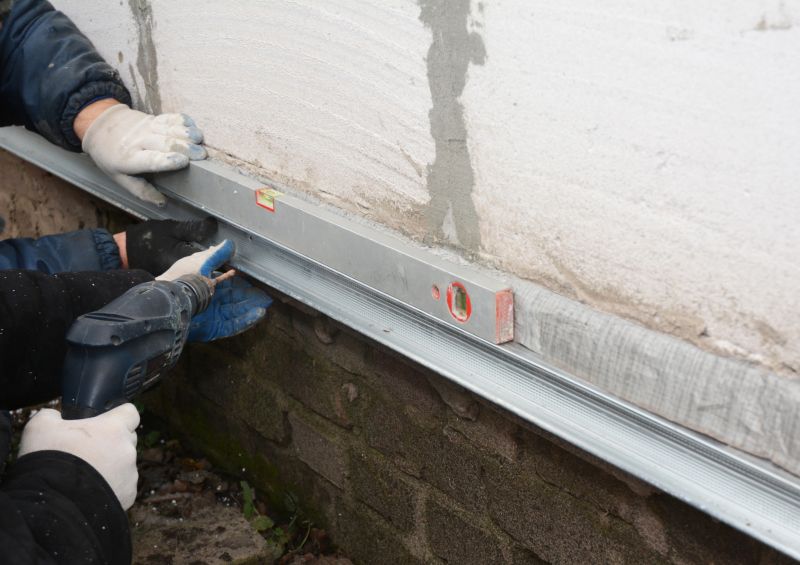 Concrete leveling is a practical solution for addressing uneven or sunken slabs that can develop over time due to ground shifting, soil settlement, or other structural factors. Properly leveling concrete surfaces can improve safety, functionality, and aesthetic appeal of walkways, driveways, patios, and other flat surfaces. Selecting the right products for concrete leveling involves understanding the different methods and materials available, as well as considering the specific needs of your project.
Top Overall Option
Polyurethane Foam Injection System
Polyurethane foam injection systems are widely used for their ability to lift and stabilize sunken or uneven concrete slabs with minimal excavation. These systems involve injecting expanding foam beneath the slab to restore its original level, often allowing for quick application and immediate results. They are suitable for a variety of residential and commercial projects, providing a non-invasive solution that minimizes disruption to surrounding areas.
Types of Products For Concrete Levelings
Polyurethane Foam
Expandable foam used for lifting and leveling concrete slabs, offering quick curing times and minimal disturbance.
Hydraulic Lifting Compounds
High-pressure materials designed for larger or heavily loaded slabs requiring substantial support.
Cement-Based Patching Materials
Traditional cement mixes used to fill cracks, voids, and small depressions in concrete surfaces.
Polyurea Joint Fillers
Flexible fillers used to seal joints and prevent further damage or shifting.
Self-Leveling Underlayments
Fluid compounds that create smooth, level surfaces for flooring or finishing.
Epoxy Resins
Strong adhesives used for crack repair and bonding concrete surfaces.
Liquid Cementitious Fillers
Pourable mixes that fill small voids and cracks to restore surface integrity.
Polyurea Coatings
Durable coatings that provide a protective layer and help prevent future deterioration.
Resin Injection Kits
Complete kits designed for DIY crack repair and stabilization.
Grout and Mortar Mixes
Materials used for filling larger voids or reconstructing damaged areas.
Popular Choices
Widely used for quick and effective lifting of uneven slabs in various settings.
Commonly employed for manual lifting and leveling of concrete surfaces.
Popular for filling cracks and small depressions with easy-to-use formulations.
Favored for creating smooth, level surfaces before flooring installation.
Trusted for sealing cracks and restoring surface strength.
Commonly used to seal expansion joints and prevent water infiltration.
Popular for quick filling of small voids and surface imperfections.
Preferred for structural crack repair and stabilization.
Effective for reconstructing damaged or degraded concrete areas.
Used for sealing joints and cracks to prevent future shifting.
Various products are designed to lift, fill, or stabilize concrete slabs. These typically include polyurethane foam injections, hydraulic lifting compounds, and cement-based patching materials. Polyurethane foam is popular for its quick curing time and minimal disruption, making it suitable for residential and commercial applications. Hydraulic lifting compounds can provide more substantial support for larger or more heavily loaded slabs, while cement-based products are often used for filling cracks or small depressions.
When choosing products for concrete leveling, it is essential to evaluate the extent of the unevenness, the underlying soil conditions, and the desired longevity of the repair. Proper application techniques and tools are also critical to ensure a safe and effective result. For larger or more complex projects, hiring professional services that utilize these products can help achieve optimal outcomes. However, for smaller DIY projects, selecting user-friendly products with clear instructions can enable effective repairs without extensive experience.
Overall, understanding the different types of products and their suitable applications can help you make informed decisions for your concrete leveling needs. Whether addressing minor surface imperfections or more significant structural issues, the right products can facilitate a smoother, safer, and more durable surface. It is advisable to consult product specifications and reviews to find solutions that match your project scope and budget.
Key Buying Considerations
- Extent of unevenness and size of the area to be repaired
- Type of concrete surface and underlying soil conditions
- Desired speed of repair and curing time
- Level of structural support needed
- Ease of application and required skill level
- Compatibility with existing concrete materials
- Longevity and durability of the product
- Potential for future movement or settling
- Environmental conditions at the site
- Budget constraints and cost-effectiveness
- Availability of professional installation versus DIY options
- Product safety and handling requirements
- Availability of technical support or instructions
- Compatibility with other repair products or coatings
- Impact on surrounding surfaces and landscaping